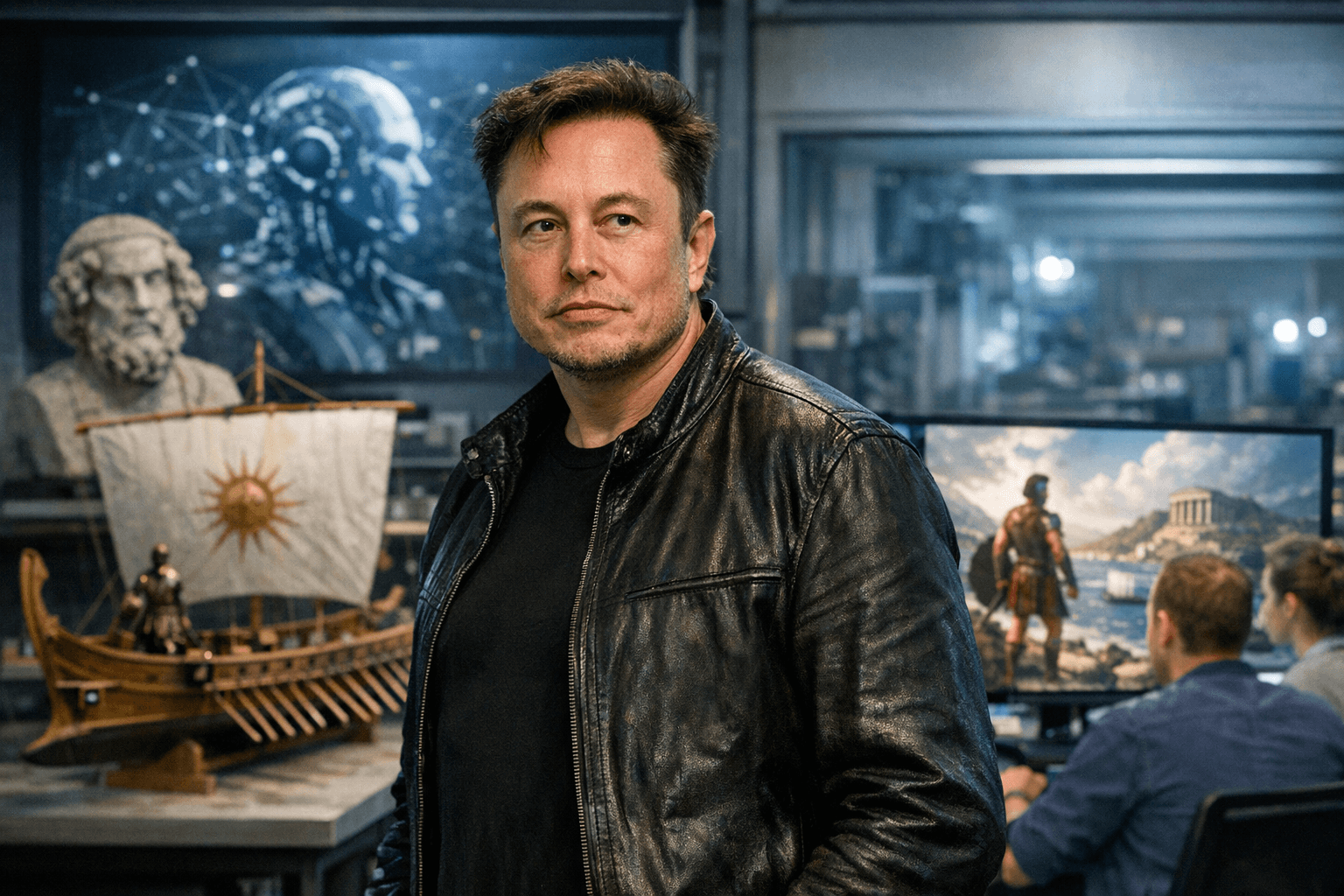
Elon Musk has made an ambitious commitment to deliver a historically accurate adaptation of Homer's 'Odyssey' through his AI venture, Grok Imagine. The project is expected to be completed by the end of 2026, setting a new precedent in the intersection of artificial intelligence and classical literature. Musk's pledge comes amid heated discussions surrounding Christopher Nolan's film adaptation of 'The Odyssey', which has been met with significant public scrutiny and controversy over its casting choices.
Musk's Vision for Grok Imagine
In a recent announcement, Musk stated that Grok Imagine will utilize advanced artificial intelligence techniques to create a full-length film that respects the original narrative of Homer's 'Odyssey'. By promising a release date before December 31, 2026, Musk aims to position Grok as a leader in the space of AI-generated art. This initiative reflects Musk's ongoing interest in the capabilities of AI technologies, as well as his desire to push the boundaries of what AI can achieve in creative fields.
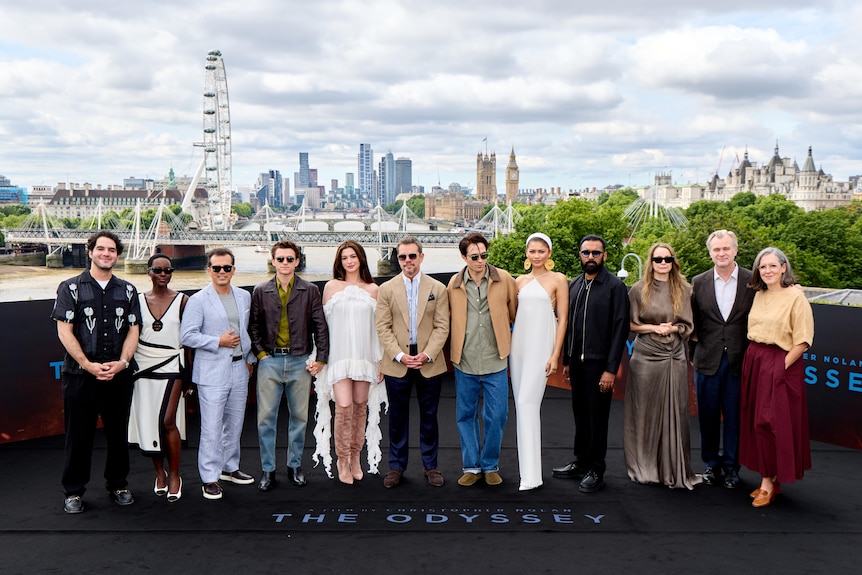
The pledge follows a wave of criticism directed at Nolan's adaptation of the classic epic. Critics have expressed concerns about the film's fidelity to the source material, particularly in light of the casting decisions that some feel stray too far from the original characters. Musk's announcement seems to be a direct response, suggesting that Grok Imagine will not only produce a film but will also adhere closely to the themes and historical context of the original text, aiming for authenticity in storytelling.
Implications for AI in Film and Storytelling
The development of Grok Imagine marks a significant moment in the film industry, where AI is increasingly becoming a tool for creativity. With Grok 4.5 set for public release, the platform aims to provide a faster and cheaper alternative to existing AI models. This could potentially democratize the filmmaking process, allowing independent creators to produce high-quality content without substantial financial backing.
Moreover, Musk's venture aligns with a growing trend of using AI for creative expression, which has sparked debates about the implications for artists and writers. If Grok can deliver on its promise, it could redefine how stories are told in cinema, merging technology with literature in unprecedented ways. The anticipation surrounding Musk's project could also influence how audiences perceive adaptations of classical works, shifting expectations about fidelity and innovation in storytelling.
The Buzz Around Nolan's 'The Odyssey'
Christopher Nolan's adaptation of 'The Odyssey' has generated significant buzz, with prediction market traders estimating an opening weekend gross of over $115 million in the domestic box office. This projection highlights the high expectations for the film, despite the backlash it has faced. Many are speculating whether the film will meet or exceed these predictions, further fueling discussions about the balance between commercial viability and artistic integrity.
The film's reception could have lasting effects on the broader landscape of adaptations in Hollywood. As audiences become more aware of the intricacies involved in bringing classic literature to the screen, the pressure on filmmakers to strike the right balance between innovation and tradition increases. Nolan's film, which is expected to be released on July 14, 2026, will likely face scrutiny regarding its treatment of the original material, especially with the backdrop of Musk's AI-generated project looming in the future.
What This Means for the Future of Adaptations
Elon Musk's commitment to creating a historically accurate 'Odyssey' through Grok Imagine illustrates the potential for AI to reshape storytelling in film. As audiences eagerly await both Musk's AI-driven interpretation and Nolan's cinematic effort, the discourse surrounding adaptations will likely evolve. The implications of these two projects could redefine how classical literature is approached in modern cinema. The buzz surrounding these developments highlights a pivotal moment for filmmakers and audiences alike. For more information, visit yellow.com at this link.
Image credits
- Image via abc.net.au