
Apple's Siri is on the brink of a significant transformation, as the tech giant announces the integration of Google’s Gemini AI technology. This enhancement, slated for the iOS 27 release in September 2026, aims to address the long-standing criticisms surrounding Siri's performance and reliability. Despite these improvements, many users express skepticism about whether this will truly elevate Siri to a level that can compete with other AI assistants on the market.
Integration of Google’s Gemini AI Technology
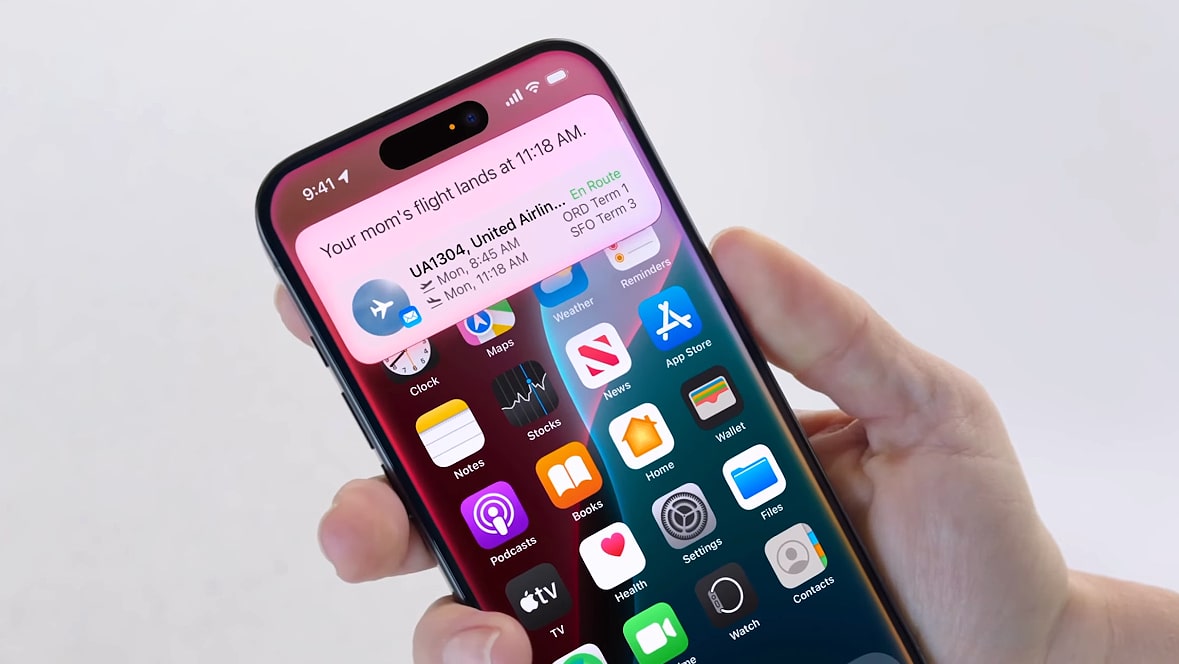
Apple's decision to incorporate Google’s Gemini AI technology into Siri marks a pivotal shift in the development of its voice assistant. Historically, Siri has faced criticism for its performance, often falling short in comparison to rivals like Amazon's Alexa and Google Assistant. With the introduction of Gemini AI, Apple aims to leverage advanced machine learning capabilities to deliver a more responsive and accurate user experience. This strategic move reflects Apple's commitment to enhancing its AI capabilities and staying competitive in the ever-evolving tech landscape. As the September 2026 release approaches, anticipation builds around how these changes will reshape user interactions with Siri.
Expected Features and Enhancements

The upcoming iOS 27 release promises a suite of new features designed to improve Siri's functionality. Apple has indicated that the integration with Gemini AI will result in a more nuanced understanding of user queries, allowing for more context-aware responses. Additionally, the new Siri will reportedly be able to handle more complex tasks and provide more accurate information. Such enhancements aim to transform Siri from a basic voice assistant into a more reliable and versatile tool for users. However, the details surrounding these features remain largely under wraps, leading to speculation and cautious optimism among tech enthusiasts and consumers alike.
Skepticism Amidst Anticipation
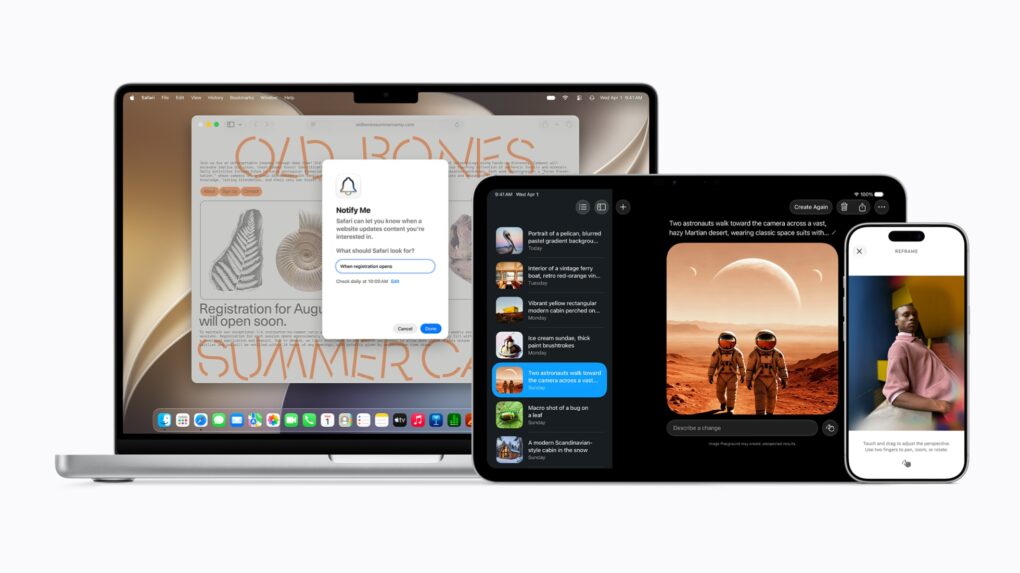
Despite the exciting prospects of Siri's overhaul, there is a palpable sense of skepticism among longtime users. Many have grown frustrated with Siri's past performance, which has often been characterized by inaccuracies and a lack of responsiveness. Critics argue that while the integration of Gemini AI may yield improvements, it may not be sufficient to overcome the deeply entrenched issues that have plagued Siri for years. Furthermore, some users question whether Apple will be able to fully utilize the potential of Gemini AI given its proprietary models, which are designed to run on Apple's silicon and private cloud infrastructure. As the launch date nears, the tech community watches closely, weighing the potential benefits against the backdrop of past disappointments.
Anticipation Grows for Siri's Potential Rebirth
As Apple prepares for the iOS 27 launch in September 2026, the tech world remains divided on the potential success of Siri's integration with Google's Gemini AI technology. While expectations for enhanced functionality are high, the skepticism surrounding Siri's historical performance cannot be overlooked. Apple will need to not only deliver on its promises but also reassure users that their investment in Siri will yield a significant payoff. The implications of this launch could redefine Apple's position in the voice assistant market, a space that has seen rapid advancements from competitors. For ongoing coverage and more details, visit TechCrunch at https://techcrunch.com/2026/08/04/apple-says-more-ex-employees-may-have-taken-confidential-data-to-openai/.
Article sources
Image credits
- Image via techcrunch.com
- Image via techradar.com
- Image via cultofmac.com