
Explosive Spoiler of GPT-5.4: Memory and Reasoning Boost

In a groundbreaking development, OpenAI is set to unveil its latest model, GPT-5.4, featuring an 'Extreme Reasoning Mode' that enhances its problem-solving capabilities. This upgrade allows the AI to allocate more computing resources and time to tackle complex issues, marking a significant shift in how AI systems can function. Additionally, the context window has dramatically expanded to one million tokens, enabling the model to process extensive documents and code libraries with unprecedented efficiency.
Extreme Reasoning Mode: A Game Changer

The most eye-catching aspect of GPT-5.4 is its Extreme Reasoning Mode, which allows the model to engage in deeper problem-solving by allocating additional computing resources and time when faced with challenging queries. Traditional models have constraints on thinking time, but this feature could potentially revolutionize AI capabilities, particularly in scientific research where users may opt for longer processing times to derive valuable insights. However, a recent survey revealed that many everyday ChatGPT users showed little interest in enhanced reasoning capabilities, indicating a potential disconnect between consumer expectations and enterprise needs. Despite this, the advanced reasoning features are anticipated to attract scientific institutions and businesses looking to automate complex processes with greater accuracy and depth.
A Million Tokens: Expanding Contextual Understanding
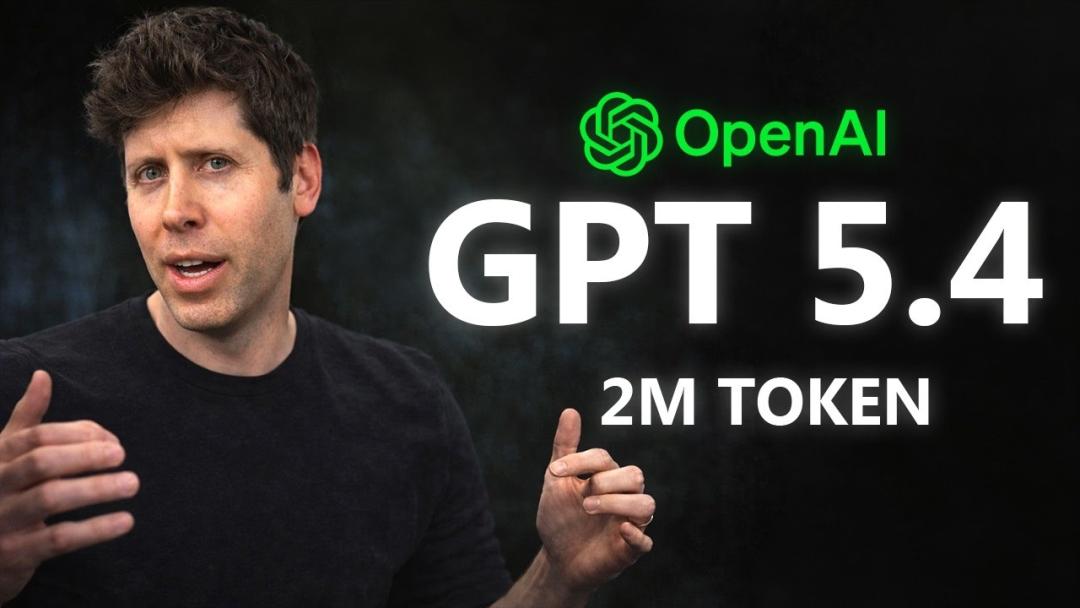
Another significant upgrade in GPT-5.4 is the increase in the context window from 400,000 tokens to a staggering one million tokens. This enhancement allows the model to handle extensive texts, such as large documents, full-length novels, or comprehensive code libraries, making it competitive with other advanced AI systems like Google's Gemini and Anthropic's Claude. Previous versions, including GPT-5.2, were unable to match this capability, which has now been rectified with the introduction of GPT-5.4. Some reports even suggest that the context window may extend to two million tokens, further solidifying OpenAI's position in the market as a leader in long-context processing. This capability will not only aid in research but also streamline tasks across various business sectors by providing more comprehensive insights.
Long-Term Tasks and Permanent Memory: What Lies Ahead
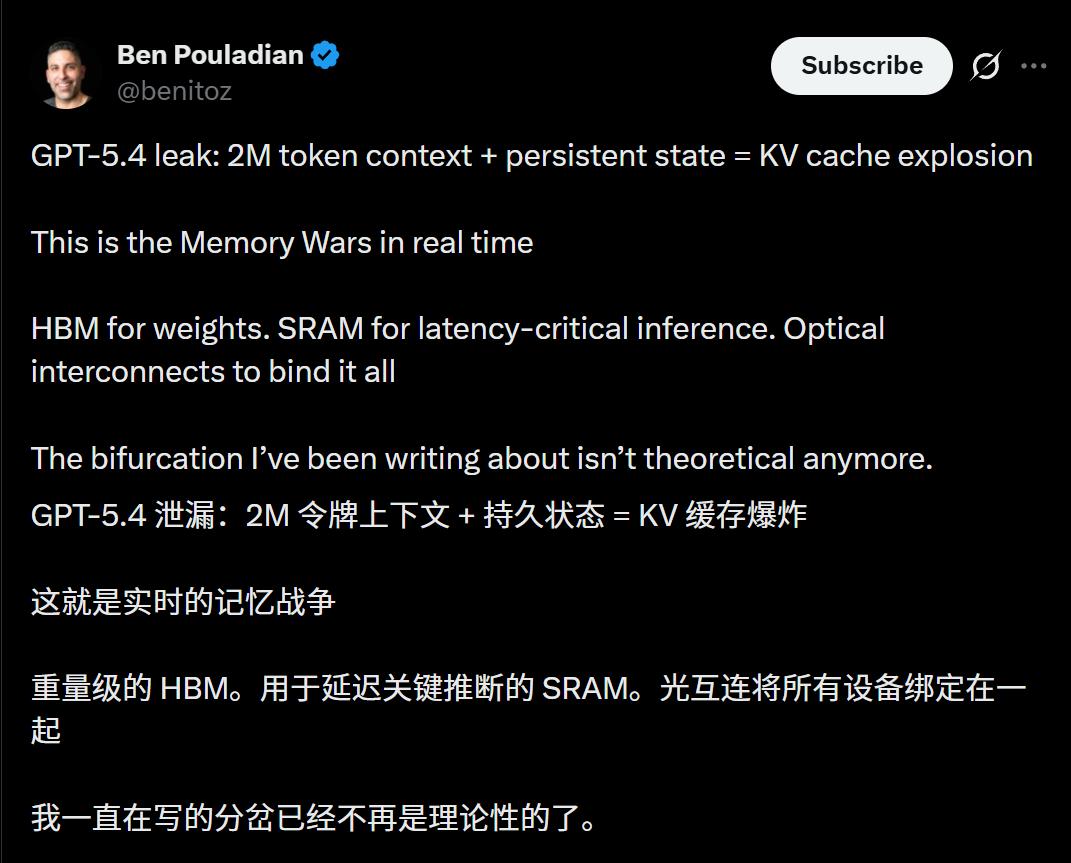
With the new version, OpenAI aims to enhance performance on long-term tasks, allowing GPT-5.4 to retain memory over multiple steps and deliver more coherent outputs across extended interactions. This improvement is particularly beneficial for AI agents that require sustained engagement to automate intricate business processes. Additionally, there are whispers about the potential for GPT-5.4 to incorporate a permanent memory feature, a leap forward that could revolutionize how AI interacts with users by enabling it to recall past interactions. As OpenAI accelerates updates to its models on a monthly basis, the company is driven by the ambition to reach one billion weekly active users, a goal that underscores the competitive landscape of AI technology.
The Road Ahead for AI Development

The advancements introduced with GPT-5.4 signal a pivotal shift in AI technology, particularly in enhancing reasoning capabilities and expanding contextual understanding. As OpenAI continues to innovate, the implications for both scientific research and enterprise applications are profound. Businesses and researchers alike will benefit from the model's ability to engage in deeper reasoning and manage complex tasks, paving the way for smarter, more efficient AI solutions. This strategic push to enhance model capabilities not only positions OpenAI at the forefront of AI development but also sets the stage for an increasingly competitive environment as the industry evolves.
*Source: *eu.36kr.com