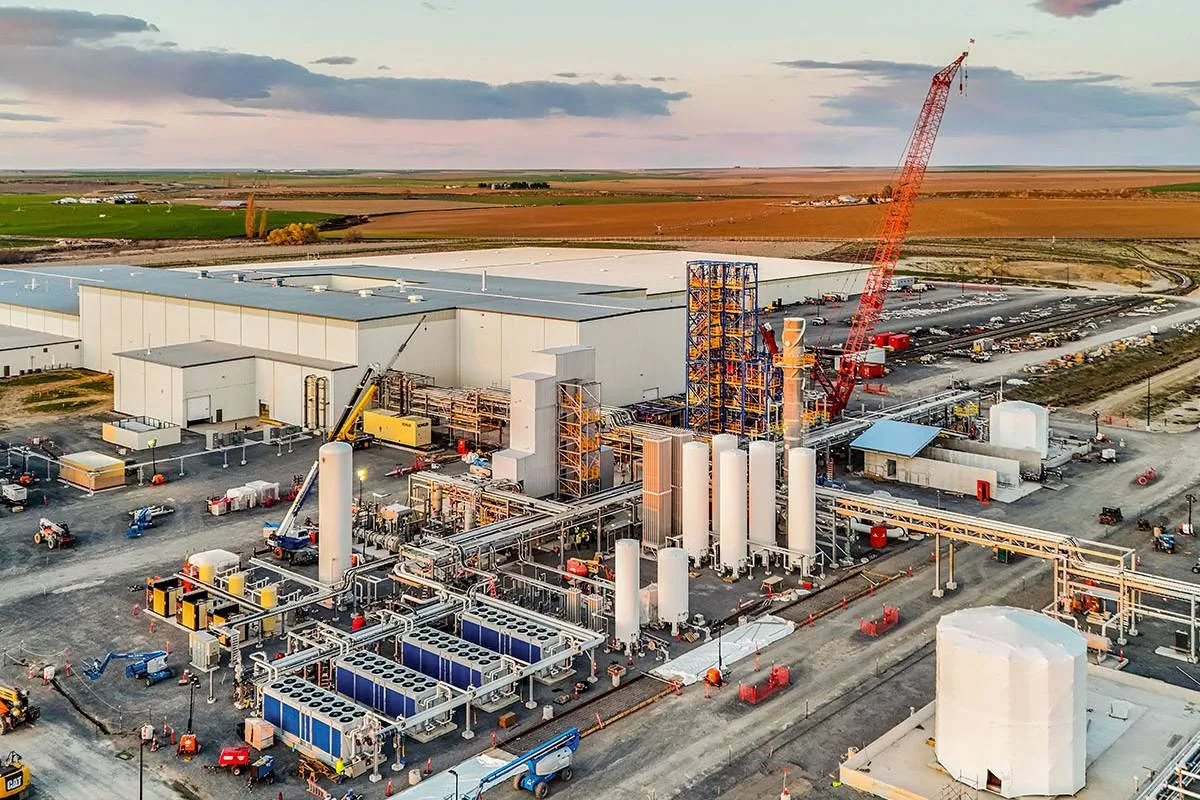
Sila Nanotechnologies has secured a significant $1.4 billion loan from the U.S. Department of Defense, aimed at scaling up its production of advanced silicon anodes. This financial backing is part of a broader strategy to enhance domestic battery manufacturing capabilities, a move prompted by increasing demand from both military and civilian sectors. Sila's factory in Moses Lake, Washington, is set to quintuple its output, enabling the company to support over 100,000 electric vehicles (EVs).
Strategic Investments in Battery Technology
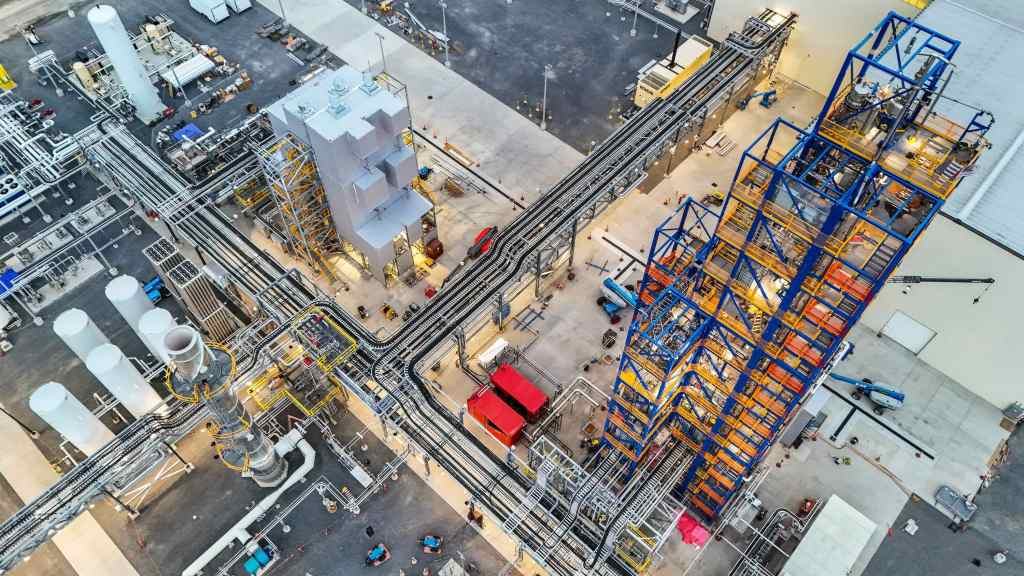
The loan awarded to Sila Nanotechnologies is part of a significant initiative by the Department of Defense to fortify the nation's battery production infrastructure. As the military increasingly relies on advanced technologies, the demand for high-performance batteries has surged. The Pentagon's investment reflects a strategic recognition of the need to secure a domestic supply chain for critical materials and technologies. Sila, which has established partnerships with industry giants such as Mercedes and Panasonic, is poised to play a pivotal role in this landscape. The company's innovative silicon anode technology promises to enhance energy density and performance in batteries, addressing both military and commercial needs. This investment not only aims to bolster military capabilities but also supports the broader transition to electric vehicles, which are becoming a vital component of the automotive landscape.
Supporting Domestic Manufacturing
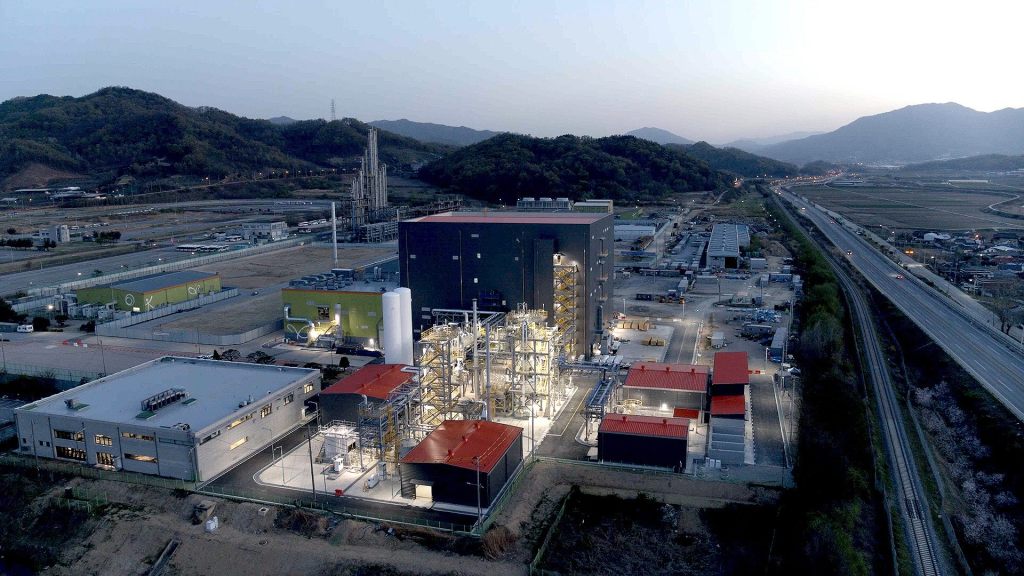
The loan to Sila is part of a larger funding strategy by the Department of Defense, which recently allocated funds to other companies in the battery sector. Sunrise Energy Metals received $400 million, while Niron Magnetics was awarded $150 million to support their own production capabilities. These investments highlight a concerted effort to develop a robust domestic battery supply chain that can meet the increasing demands of both military and civilian applications. The strategic focus on domestic manufacturing is essential as the global market for batteries continues to expand, driven by the electrification of transportation and renewable energy storage solutions. By investing in companies like Sila, the Pentagon is not only addressing immediate military needs but also fostering innovation and job creation within the U.S. economy.
Broader Industry Implications
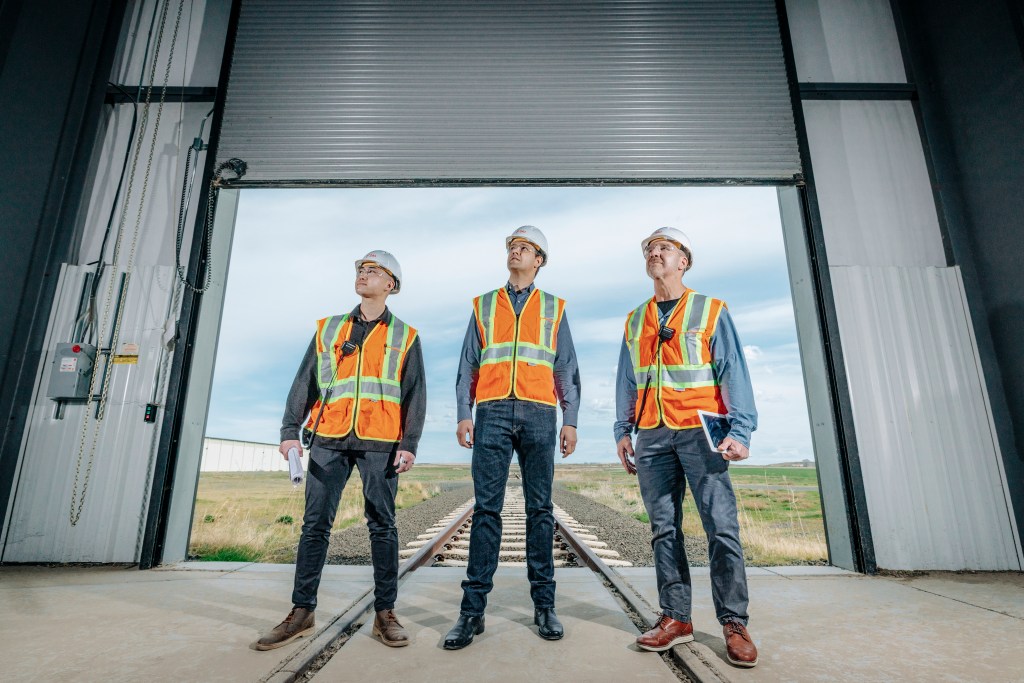
Sila's expansion plans are indicative of a broader trend in the battery manufacturing industry, where companies are racing to innovate and scale production capabilities. The partnership with established automotive leaders such as Mercedes and Panasonic positions Sila favorably within a competitive landscape that includes other notable players like Group14 and Amprius. As the demand for electric vehicles and energy storage systems continues to grow, the emphasis on high-performance batteries becomes paramount. The advancements in silicon anode technology are expected to yield batteries with significantly higher energy densities, leading to longer ranges for electric vehicles and enhanced performance in various applications. Furthermore, the Pentagon's financial backing serves as a catalyst for additional investments in research and development within the battery sector, potentially yielding breakthroughs that benefit both military and civilian markets.
Domestic Battery Manufacturing Gains Momentum
The substantial loan to Sila Nanotechnologies marks a critical step toward strengthening U.S. battery manufacturing capabilities amid rising demand. As the Department of Defense continues to prioritize domestic production, companies in the battery sector can expect increased opportunities for collaboration and innovation. This investment strategy, outlined by the Pentagon, emphasizes the importance of securing a reliable supply chain for advanced battery technologies. For further details, visit TechCrunch's coverage of the story here.
Article sources
Image credits
- Image via electrive.com
- Image via techcrunch.com
- Image via techcrunch.com
- Image via techcrunch.com