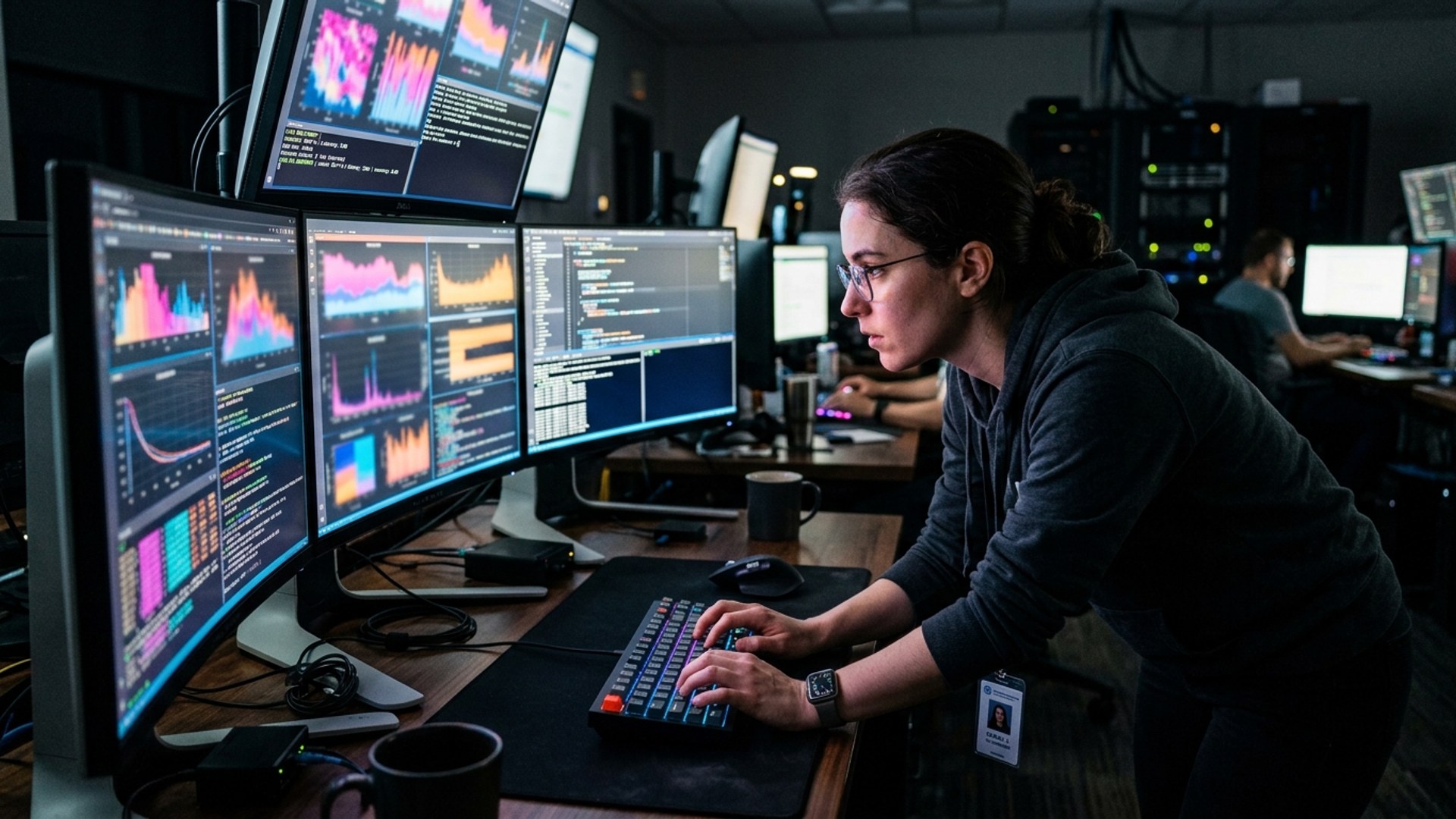
DeepSeek's latest model, V4.1 Flash, challenges the notion that larger AI systems necessitate increased GPU resources. By integrating N-gram parameters, this model not only raises performance standards but also significantly lowers GPU memory requirements to just 567 GB, marking a substantial advancement over traditional architectures.
Transformative Performance with Reduced Memory Footprint

The V4.1 Flash model features a staggering 763 billion parameters, outpacing its predecessor by over 2.5 times. This enhanced parameter count comes with comparatively low memory demands. By strategically offloading N-gram weights, DeepSeek optimizes its architecture for efficient inference, breaking away from traditional autoregressive models that typically require extensive memory resources.
A Shifting Landscape: Industry Trends Towards Efficiency
DeepSeek's strategy reflects a broader industry trend, akin to Alibaba's Qwen 3.8-Flash-Next model, which also utilizes N-gram technology to enhance operational efficiency. This collective push within the AI community signifies a growing commitment to streamlining models, emphasizing performance without the corresponding increase in resource consumption. Hence, we may soon witness a transformation in the architecture of open large language models (LLMs).
Prospects of N-gram Technology in AI Development
As research into N-gram technology progresses, future developments in LLMs are likely to prioritize efficiency alongside performance strengths. Pioneering efforts from companies like DeepSeek and Alibaba suggest a future where AI models are both powerful and accessible, broadening their application potential across sectors such as technology, healthcare, and beyond.
Potential for Revolutionary Changes in AI Architecture
DeepSeek's innovative advancements herald a significant shift in the AI landscape. The focus on crafting efficient models with reduced computational demands suggests a future where high-quality AI tools are more widely available. For an in-depth analysis, visit The Register.
Article sources
Image credits
- Image via unite.ai
- Image via intuitionlabs.ai