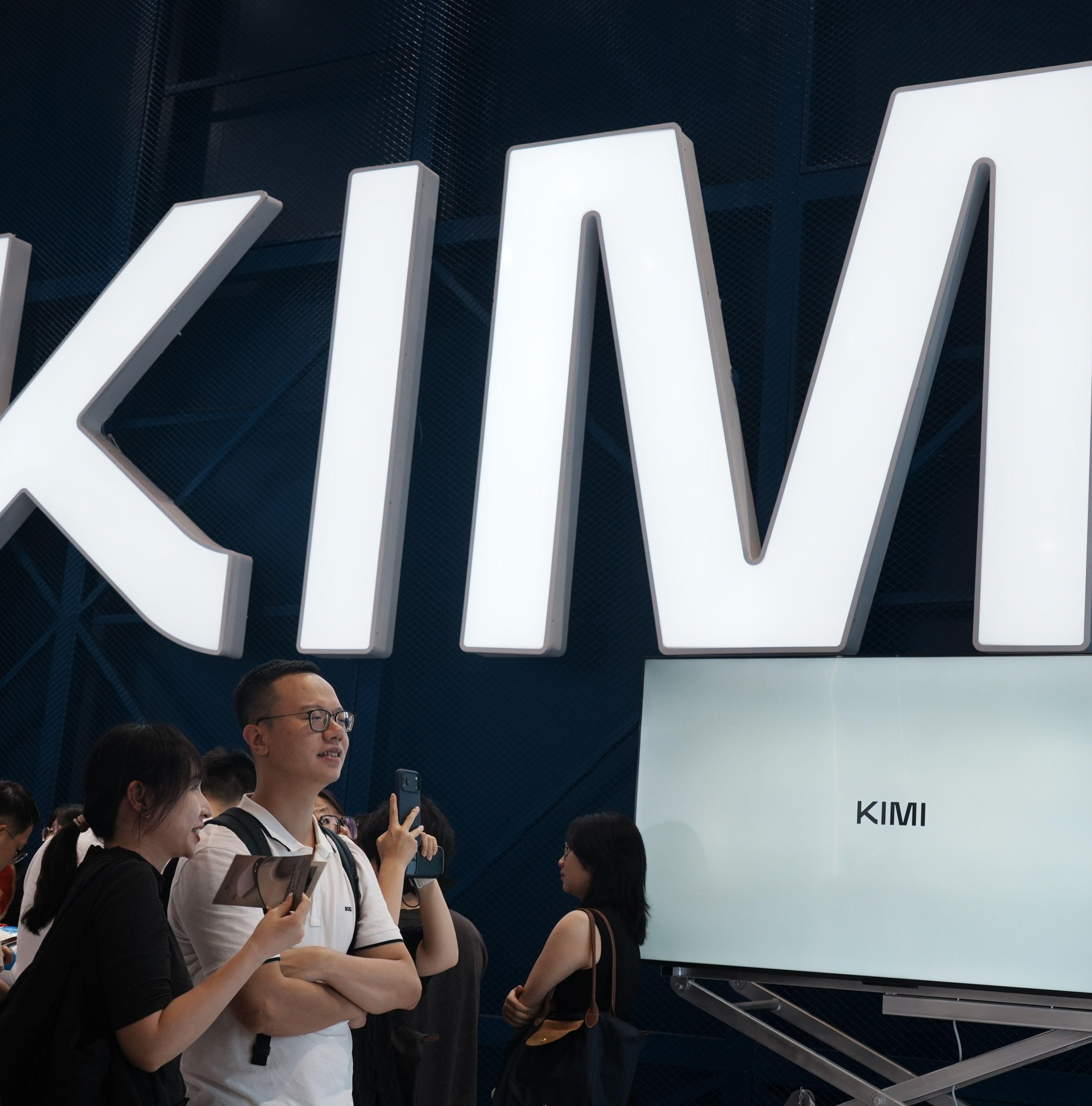
In a bold move that could reshape the artificial intelligence landscape, Chinese startup Moonshot AI has unveiled Kimi K3, a new AI model that claims to outperform several leading U.S. systems at a significantly lower cost. The model's developers have announced their intention to release the model's weights for free, specifically targeting developers and users in the United States. This development is poised to heighten the ongoing rivalry between U.S. and Chinese AI technologies, presenting a direct challenge to the dominance of proprietary American models in the market.
Kimi K3: A Competitive Edge
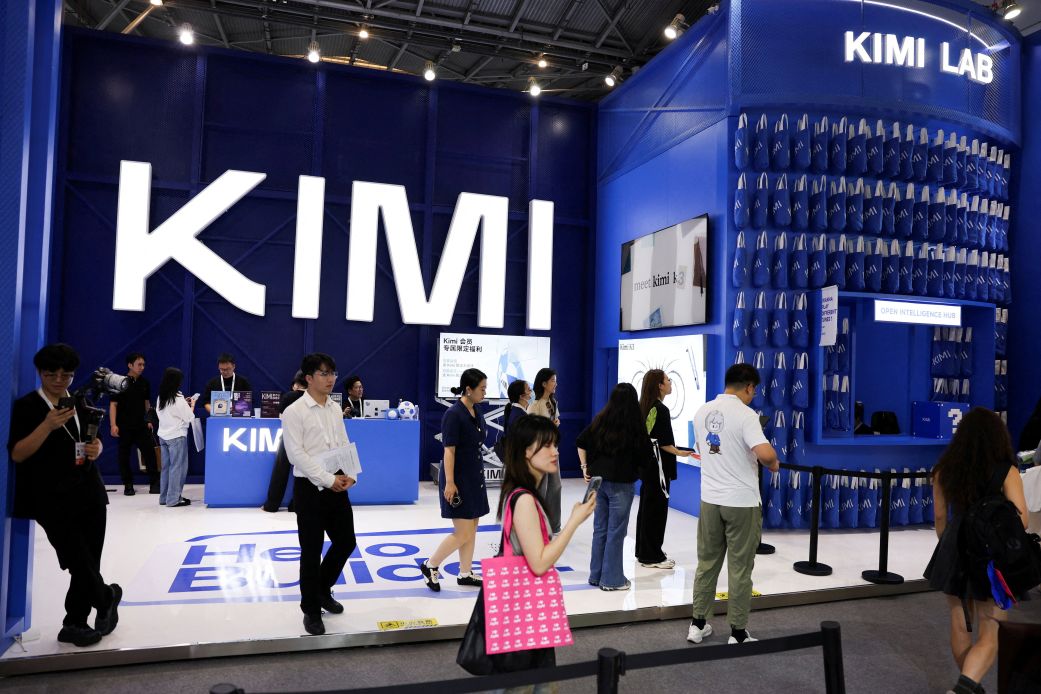
Moonshot AI's Kimi K3 has emerged as a formidable player in the AI sector, boasting capabilities that reportedly exceed those of some established U.S. models. By offering the model's weights at no cost, Moonshot aims to provide developers with greater control and flexibility compared to traditional proprietary AI systems. This strategic decision not only democratizes access to advanced AI technology but also invites U.S. developers to engage with and refine the model, potentially accelerating innovation in the field.
Implications for U.S.-China AI Rivalry
The release of Kimi K3's weights comes at a time of heightened tension between the U.S. and China over technology supremacy. By targeting U.S. developers, Moonshot AI is not just introducing a new product but is also signaling a shift in the competitive dynamics of the AI market. This move raises questions about the future viability of closed American AI models, which have dominated the sector for years. As open-weight models like Kimi K3 gain traction, they may shift the balance of power, allowing developers to innovate without the constraints often imposed by proprietary systems.
A New Era for AI Development
The implications of Kimi K3's introduction are significant, suggesting a potential pivot in how AI systems are developed and deployed. Open-weight models could lead to a more collaborative environment in AI development, where users can modify and adapt technologies to suit their needs. This shift may not only challenge the existing market dynamics but also foster a new wave of innovation that could benefit a broader range of users beyond the traditional confines of corporate labs. As the competition intensifies, the landscape for AI development is likely to evolve rapidly, with both U.S. and Chinese firms vying for technological leadership.
What This Means for Future AI Development
The launch of Kimi K3 by Moonshot AI represents a significant milestone in the ongoing U.S.-China technological rivalry. By offering free access to its model's weights, Moonshot not only empowers developers but also challenges the traditional dominance of closed American AI systems. As the landscape shifts towards more open and accessible AI technologies, the potential for innovation grows, prompting U.S. companies to reconsider their strategies in an increasingly competitive environment. For more insights on this development, visit The Verge at https://www.theverge.com/ai-artificial-intelligence/971444/how-chinese-open-weight-ai-models-impact-us-companies.
Image credits
- Image via theverge.com
- Image via cnn.com