
Apple's App Tracking Transparency Policy Reshapes Advertising

In a significant shift in digital advertising practices, Apple's App Tracking Transparency (ATT) policy has placed strict limitations on how advertisers can track user activity on its devices. This policy, which has taken effect across Apple's ecosystem, directly impacts the personalization of content and advertisements that rely on user data. As users are prompted to accept or decline tracking, the implications for advertisers and consumers alike are profound and far-reaching.
Understanding Apple's App Tracking Transparency Policy

Apple's App Tracking Transparency policy fundamentally changes the landscape of digital advertising by restricting the ability of advertisers to track user activities across apps and websites on its devices. Under this policy, apps must request permission from users before they can collect data for tracking purposes. This means that users can now opt out of being tracked, leading to a significant reduction in the amount of user data available for targeted advertising. As a result, advertisers must rethink their strategies and find new ways to engage with consumers who may choose to decline tracking.
The Impact on Advertisers and Personalized Content

The ATT policy has far-reaching implications for how advertisers create and deliver personalized content and advertisements. With the ability to track user data curtailed, advertisers may struggle to provide the level of customization that many consumers have come to expect. This could lead to a generic advertising experience that fails to resonate with users. Furthermore, advertisers who rely heavily on targeted advertising to reach niche audiences may find themselves at a disadvantage, as they now have less information to tailor their campaigns effectively. The shift towards privacy-centric advertising strategies will be essential for brands hoping to maintain their competitive edge in a changing marketplace.
Consumer Choices and Data Privacy
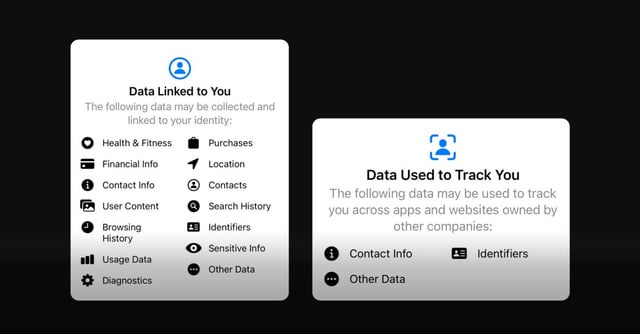
The ATT policy empowers consumers to make informed choices about their privacy and data sharing. By presenting users with the option to accept or decline tracking, Apple is placing a higher value on user consent and control over personal information. This shift aligns with a growing trend among consumers who are increasingly concerned about their data privacy and the ways it is used by companies. As more users opt out of tracking, the challenge for advertisers will be to respect these choices while still finding effective ways to reach potential customers. The long-term effects of this policy on consumer behavior and advertising practices remain to be fully understood, but the initial indications suggest a significant transformation in the digital advertising landscape.
What This Means for Advertisers and Consumers
The implementation of Apple's App Tracking Transparency policy marks a pivotal moment in the relationship between advertisers and consumers. By limiting tracking capabilities, Apple has positioned itself as a champion of user privacy, while simultaneously challenging advertisers to adapt to a new reality. For consumers, this means greater control over personal data and the ability to make informed choices about their online experiences. As this policy continues to evolve, both advertisers and consumers will need to navigate the changing dynamics of digital marketing, with a focus on transparency and consumer trust.