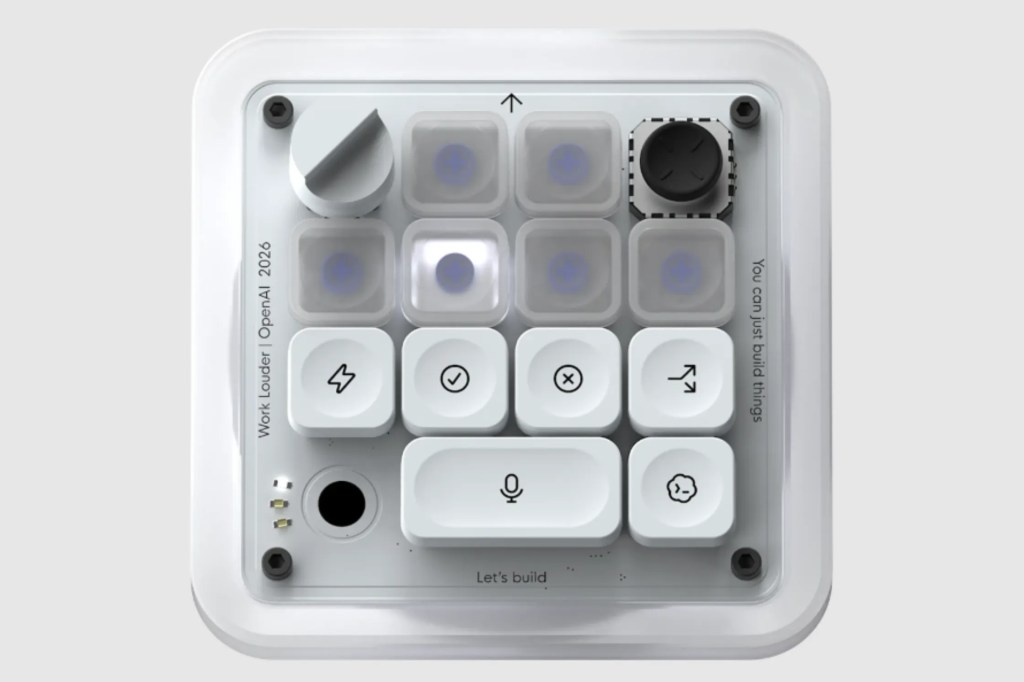
OpenAI has launched a new product aimed at enhancing interactions with artificial intelligence: the Micro AI keypad, priced at $230. Geared towards power users of ChatGPT, this keypad features color-coded buttons that indicate various states of operation, including idle, thinking, complete, and error. While the product promises increased efficiency for those who frequently rely on AI, it may leave casual users feeling perplexed by its unique design and functionality.
The Micro AI keypad caters especially to coders and tech enthusiasts who appreciate a vintage aesthetic. However, users can expect a steep learning curve as they familiarize themselves with the device's features, which diverge from traditional laptop usage. This article explores the implications of this new tool and how it fits into the broader context of AI interaction.
Understanding the Micro AI Keypad's Functionality
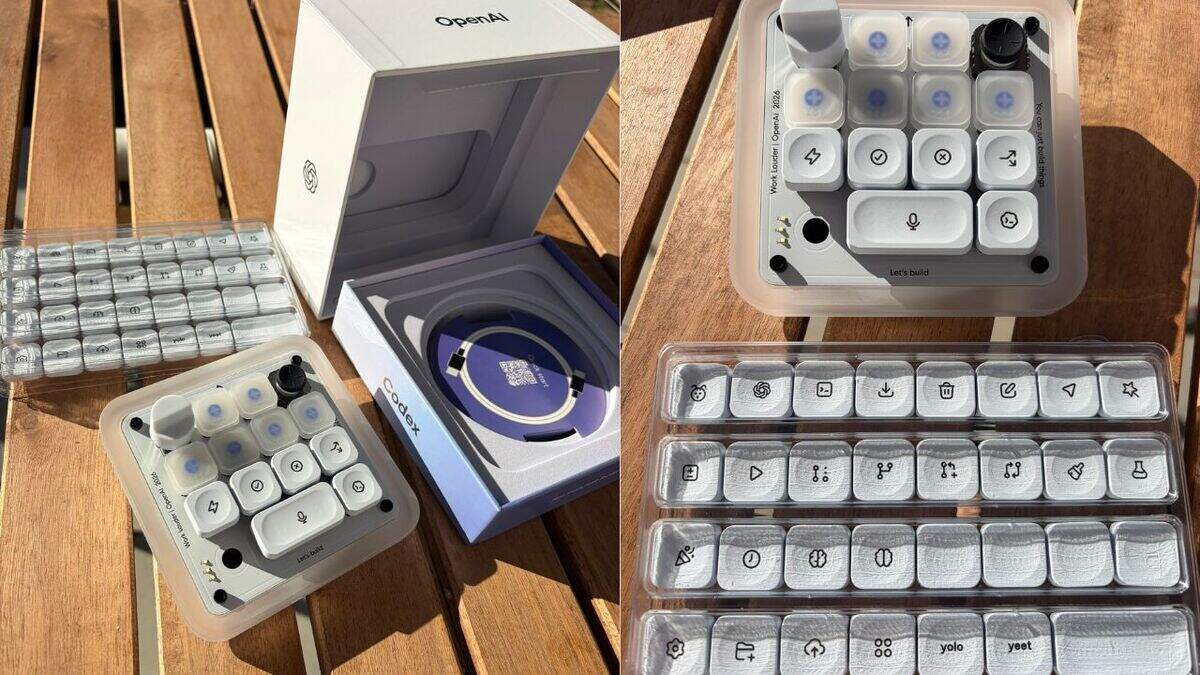
The Micro AI keypad presents a novel approach to user interaction with AI systems. Its design incorporates color-coded buttons that serve specific functions, providing users with immediate visual feedback on the device's status. For instance, a button glowing green indicates that the AI is thinking, while red signifies an error. This intuitive color-coding is intended to facilitate a smoother experience for users, particularly for those who are accustomed to rapid interactions with AI platforms.
While the Micro is designed for efficiency, the learning curve may present a challenge. Users less familiar with AI tools might find the interface initially daunting, as the array of buttons and their corresponding functions can be overwhelming. This contrasts sharply with conventional laptops, where user interfaces are more standardized and familiar. As a result, the Micro AI keypad could alienate users who are not deeply engaged in coding or tech-savvy endeavors, making it a niche product in the broader market.
Who Will Benefit Most from the Micro AI Keypad?
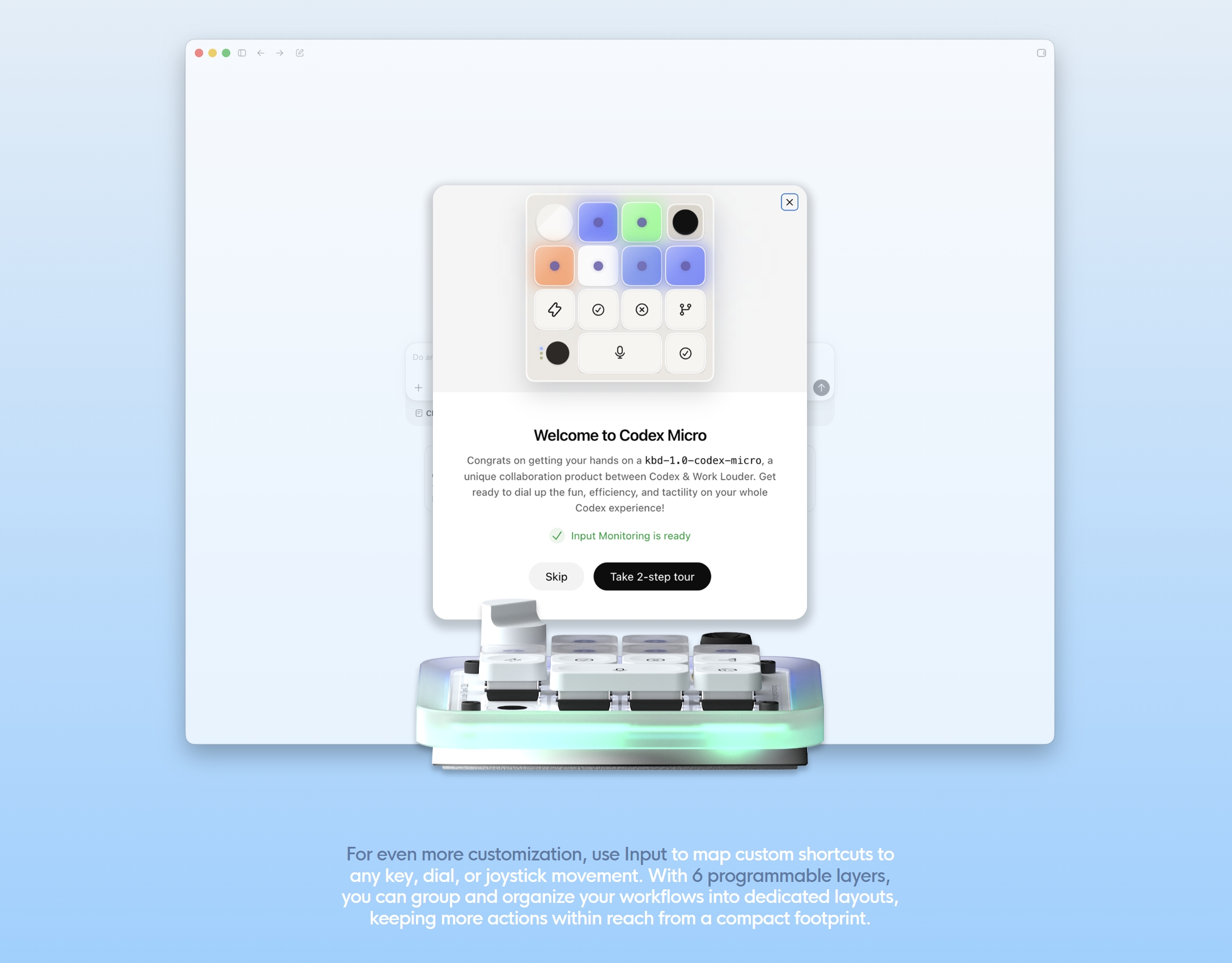
The Micro AI keypad is particularly relevant for ChatGPT power users—those who frequently engage with the AI for coding, brainstorming, or content generation. For these individuals, the keypad can enhance workflow by streamlining the process of inputting commands and receiving responses from the AI. This efficiency could potentially lead to significant time savings for users who rely heavily on AI tools in their daily tasks.
Coders and developers stand to gain the most from the Micro AI keypad. Many in this community appreciate vintage hardware, which adds a tactile, enjoyable element to their work. The satisfying click of buttons could provide a nostalgic experience reminiscent of early computing days. However, the keypad's appeal may diminish among general users, who might find it an unnecessary addition to their existing setup. The dedicated design features may not resonate with those who do not regularly interact with AI tools, limiting its market reach.
The Broader Context of AI Interactions and User Experience
As artificial intelligence continues to evolve, products like the Micro AI keypad highlight the diverse ways users interact with these technologies. Companies like OpenAI and Nvidia are at the forefront of this evolution, creating tools that cater to specific user needs and preferences. The keypad exemplifies a growing trend towards specialized hardware designed to enhance user experience in the AI space.
However, the introduction of such products also raises questions about accessibility and usability. While the Micro AI keypad offers advanced functionality for experienced users, it may inadvertently exclude those who are new to AI or less technologically inclined. This could further widen the gap between tech-savvy users and general consumers, a concern that companies must address as they continue to develop new AI tools.
The Future of AI Interaction for Everyday Users
The Micro AI keypad from OpenAI represents a significant step towards more engaging and efficient interactions with artificial intelligence, particularly for coders and power users. However, its complexity may pose challenges for casual users, highlighting the need for products that cater to a broader audience. As AI tools become increasingly integrated into daily tasks, companies will need to balance advanced functionality with user-friendly design to ensure that everyone can benefit from these innovations. For further insights, see the original article on TechCrunch: https://techcrunch.com/2026/07/24/i-tried-out-openais-new-ai-keypad-which-will-be-fun-for-coders-and-slightly-mystifying-to-everyone-else/.
Image credits
- Image via techcrunch.com
- Image via gadgetsnow.indiatimes.com
- Image via tomshardware.com
- Image via smashingmagazine.com