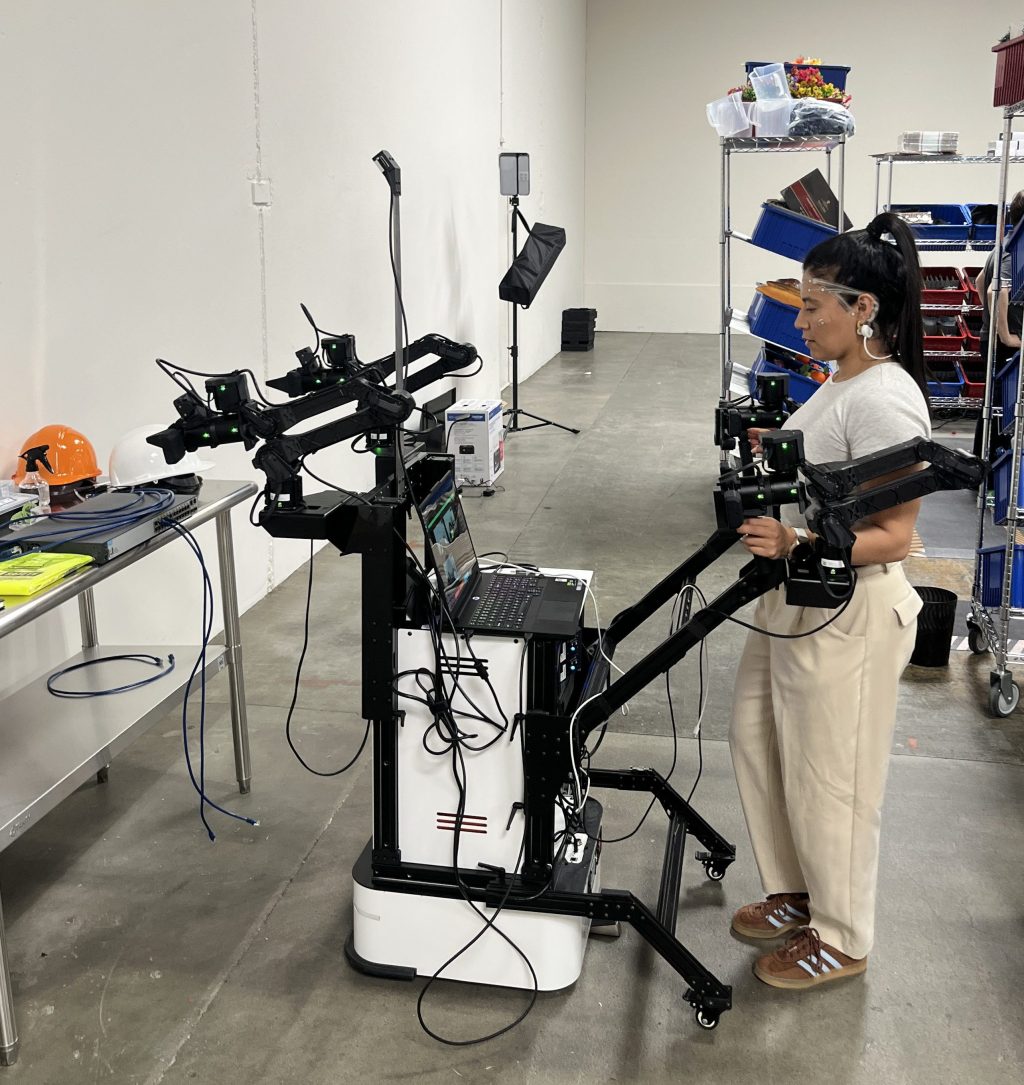
As the field of generative media becomes increasingly saturated, Encord is making strides in enhancing robotics training through innovative AI technologies. Velmurugan, a representative from Encord, emphasized that to achieve higher fidelity in video data, the required volume must be five times larger than YouTube's entire corpus, which poses significant challenges for data collection and processing. With a focus on egocentric video data and integrating brain wave sensors, Encord aims to revolutionize how robots are trained, significantly improving the quality and effectiveness of machine learning models.
Revolutionizing Data Collection in Robotics
Encord's facility in San Leandro has emerged as a key player in the robotics sector, driving innovative approaches to data collection. The company is exploring the use of egocentric video data—footage captured from the perspective of the robot—to create training datasets that are more representative of real-world scenarios. This method is expected to enhance the learning processes of robots, making them more adept at understanding their environments. In addition, Encord is experimenting with brain wave sensors to gather more nuanced data about robotic interactions, further enriching the training models. Such advancements could potentially lead to robots that can perform tasks with greater precision and adaptability, addressing a critical gap in current machine learning methodologies.
The Value of High-Quality Training Data
One of the most significant revelations from Velmurugan's insights is the stark contrast between the value of high-quality training data and lower-quality alternatives. At Encord, robotics pilots are developing training models that rely on dense annotations—data that has been meticulously labeled and categorized. Velmurugan asserts that this high-quality data is valued at 100 times more than its low-quality counterparts. This stark difference highlights the necessity for investment in generating superior training datasets, which can lead to more effective and capable robotic systems. However, this comes with a cost; the production of high-quality physical training data is notably more expensive than simply scraping online text data. The implication is clear: for companies aiming to excel in the robotics field, the financial commitment to high-quality data collection is essential.
Challenges and Future Directions

Despite the promising developments, the path forward is fraught with challenges. The sheer volume of video data required—five times that of YouTube's collection—places a significant burden on data collection efforts. This raises questions about scalability and the resources needed to achieve these ambitious goals. Companies like Encord must navigate these obstacles while continuing to innovate and enhance their training methodologies. As they push the boundaries of what is possible in robotics, the importance of collaboration within the industry will become more pronounced. Partnerships between tech companies, academic institutions, and research organizations may be necessary to share insights, resources, and data, ultimately leading to more rapid advancements in AI and robotics.
The Future of Robotics Training and AI Integration
As Encord continues to explore new frontiers in robotics training through high-quality data and innovative methodologies, the implications for the industry are significant. The integration of advanced training techniques, such as egocentric video data and brain wave sensors, could lead to a new generation of robots capable of performing complex tasks with greater efficiency. The emphasis on dense annotations and the valuation of high-quality data highlight a critical shift in how robotics training is approached. As the need for sophisticated AI models grows, Encord's pioneering efforts in San Leandro may well set the standard for future advancements in this field. For further details, refer to the original article published by TechCrunch here.
Article sources
Image credits
- Image via techcrunch.com
- Image via bitcoinworld.co.in
- Image via startupfortune.com