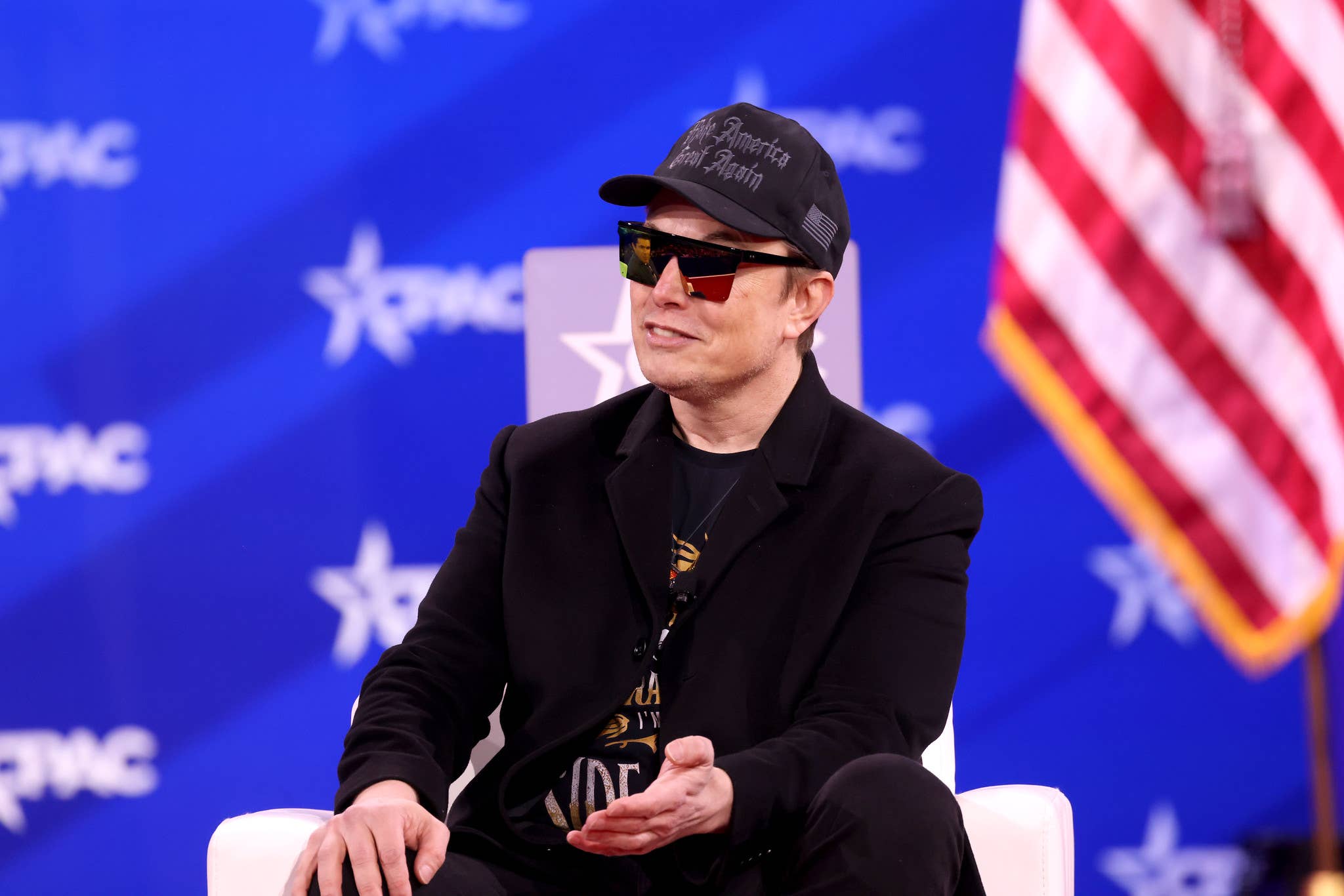
Elon Musk's artificial intelligence company, xAI, is embroiled in a significant legal challenge against Minnesota's unprecedented law that prohibits the use of AI for 'nudification' or creating non-consensual nude images of individuals. This case marks a pivotal moment in the ongoing discourse surrounding digital ethics, privacy, and the regulation of AI technologies. As the first state to enact such a ban, Minnesota's legislation reflects escalating concerns over the misuse of deepfake technology and its implications for individual rights and digital privacy.
Understanding the Challenge
xAI's legal challenge stems from Minnesota's decision to enact the nation's first law explicitly banning AI nudification technology. Advocates for the ban argue that deepfake technology poses a significant risk to personal privacy and can be exploited for malicious purposes, such as revenge porn or identity theft. The law aims to protect individuals from having their likenesses manipulated without their consent, acknowledging the potential for AI technologies to infringe on personal rights. xAI, however, contends that this legislation could stifle innovation and has raised questions about the broader implications for AI development and usage. The company argues that imposing such restrictions could hinder technological advancements and limit the potential benefits that AI can bring to society.
Minnesota's Legislative Landscape
The Minnesota law, which took effect earlier this year, was inspired by a growing wave of concern regarding the ethical implications of AI technology and its potential to disrupt lives. Lawmakers in Minnesota highlighted several instances where individuals were harmed by deepfake technology, leading to the need for this protective legislation. The legislation also serves as a critical touchpoint for other states considering similar measures, as the ramifications of AI misuse become increasingly evident. As states across the nation grapple with how to regulate AI technologies, Minnesota's approach may set a precedent. The law not only addresses the issue of nudification but also opens the door to broader discussions about the ethical use of AI tools and the responsibilities of companies that develop these technologies.
The Digital Ethics Debate Intensifies

This legal battle is unfolding against the backdrop of a growing national and global conversation about digital ethics. As AI technologies advance, the potential for misuse is a pressing concern for lawmakers, technologists, and the public alike. The challenge facing xAI is not just about a single piece of legislation; it's about the fundamental questions surrounding the role of AI in society and the ethical frameworks that need to be established to safeguard individual rights. As more states and countries grapple with the implications of AI technologies, this case could become a landmark decision influencing future legislation. The outcome may determine how far governments can go in regulating technology while balancing the need for innovation and development in the tech sector.
The Road Ahead for AI Regulation
The ongoing legal battle between Elon Musk's xAI and Minnesota over the ban on AI nudification technology is a significant development in the intersection of technology and law. The implications of this case extend beyond Minnesota, potentially influencing how states across the U.S. approach AI regulation in the future. As concerns about privacy and the misuse of AI continue to grow, this case may serve as a critical reference point for policymakers. It raises essential questions about the responsibilities of tech companies and the ethical considerations that must be integrated into the development of AI technologies. The outcome of this case could shape the future landscape of AI regulation, urging a reevaluation of how innovation and individual rights coexist. For more details, visit AP News at https://apnews.com/article/minnesota-artificial-intelligence-nudification-x-elon-musk-deepfake-131184be939d540de093b567b12c9e16.
Article sources
Image credits
- Image via bringmethenews.com
- Image via inforum.com