
Bunnings Wins Approval for AI Facial Recognition Technology
In a landmark decision, Bunnings has secured the right to implement AI facial recognition technology across 62 stores in New South Wales and Victoria. This approval comes after a thorough investigation by the Office of the Australian Information Commissioner (OAIC), which scrutinized the retailer's practices amid growing concerns over privacy and surveillance in retail environments. The technology, developed by the Japanese company Hitachi, aims to combat retail crime, particularly incidents involving repeat offenders.
The Rationale Behind the Technology

Bunnings' adoption of facial recognition technology was motivated by a significant increase in criminal activities, particularly in its stores. According to Bunnings' representatives, approximately 70% of incidents involved repeat offenders, which prompted the retailer to seek advanced security measures. The facial recognition system operates by scanning customers' faces and cross-referencing them with an 'enrolment database' that lists individuals suspected of theft, refund fraud, or other crimes. This database, stored on a central server in Sydney, contains biometric markers of hundreds of faces, allowing for swift identification of potential threats.
Privacy Concerns and Public Reaction

The OAIC's investigation, which began after consumer advocacy group Choice raised alarms in 2022, highlighted significant privacy concerns regarding the use of facial recognition in retail. The OAIC found that many customers were likely unaware that their faces were being monitored, raising questions about consent and data protection under the Privacy Act. The tribunal acknowledged Bunnings' justification for the technology but emphasized the need for robust privacy protections. Notably, Bunnings stated that if a customer's face did not match any entries in their database, the data would be deleted almost instantaneously, within an average of 4.17 milliseconds, to mitigate privacy risks.
Industry Implications and Future Trends
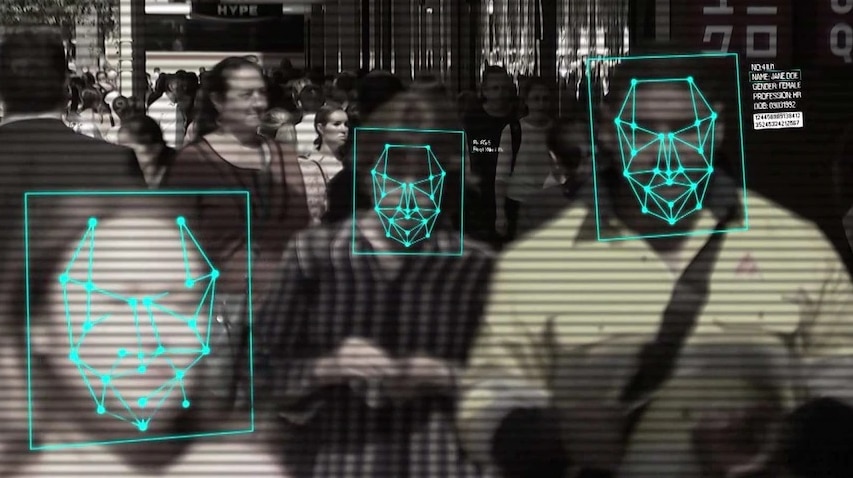
The ruling in favor of Bunnings is expected to set a precedent for other retailers considering similar security measures. Retail expert Gary Mortimer predicts that Bunnings' proactive approach will encourage companies like Kmart and The Good Guys to reevaluate their security strategies. As retail crime continues to rise, the adoption of AI-driven technologies may become more common, sparking a broader discussion about the balance between security and privacy. With Bunnings leading the charge, the landscape of retail security is likely to change dramatically in the coming years.
Conclusion
Bunnings' successful implementation of AI facial recognition technology marks a significant shift in retail security practices. While the move aims to protect staff and customers from the rising tide of crime, it also raises vital questions about privacy and surveillance. As the industry watches closely, it remains to be seen how other retailers will navigate the complex interplay of security needs and customer privacy rights in the evolving retail landscap

*Source: *abc.net.au