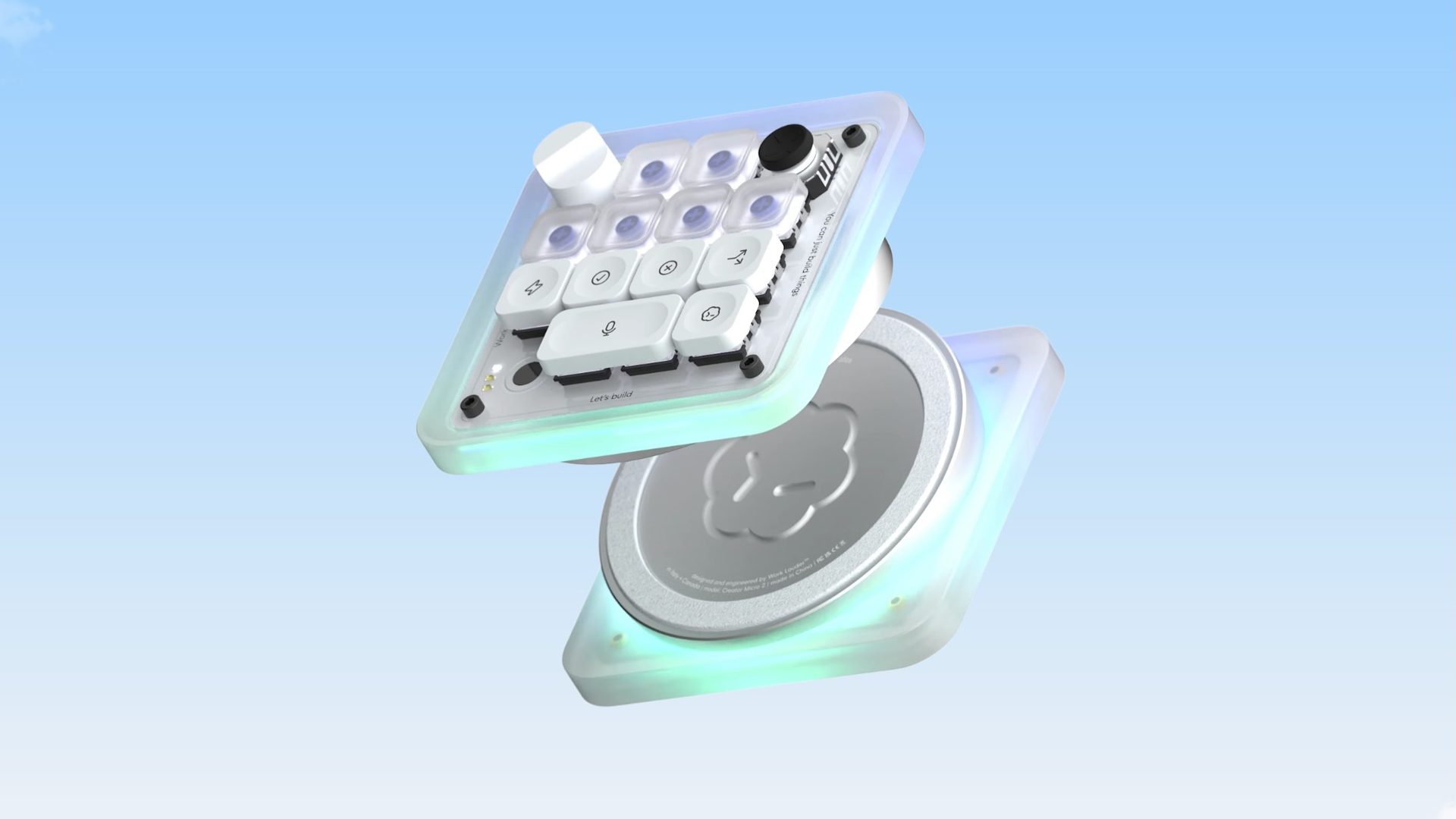
TLDR: OpenAI introduces a new AI-powered keyboard, designed for its Codex model, signaling continued hardware development even as it faces a high-stakes trade secret lawsuit from Apple. This move highlights the intensifying competition and legal complexities in the rapidly evolving AI and consumer hardware sectors. Amid hardware legal battle, OpenAI releases a $230 keyboard for its Codex model, demonstrating its commitment to expanding beyond software into physical products. This significant development unfolds while the company stands accused by Apple of misappropriating confidential information related to hardware design and components.
OpenAI's Strategy Amid Hardware Legal Battle
OpenAI's decision to launch a new hardware product, specifically an AI-powered keyboard, sends a clear message about its strategic direction. This release occurs directly in the wake of Apple's lawsuit, which alleges that OpenAI used Apple's confidential information to develop its own hardware. The keyboard, priced at $230, integrates directly with OpenAI's Codex model, aiming to enhance the coding experience for developers. This launch indicates that OpenAI's hardware timeline remains unchanged despite the legal pressures. Reports suggest the company plans to unveil its first product this year, regardless of the litigation. The move underscores a determined push into consumer hardware, challenging established tech giants on their own turf.
Apple's Allegations: A Fight for Trade Secrets
Apple's lawsuit against OpenAI makes serious allegations of trade secret theft. The tech giant accuses OpenAI's senior leadership of orchestrating a strategy to extract confidential information for use in developing their own hardware. Specific claims include OpenAI approaching a supplier with confidential information about Apple's designs and employing internal terminology known only to Apple insiders. This lawsuit raises fundamental questions about how companies protect trade secrets in an era of fierce competition and evolving AI technology.
The Broader Context of AI Talent Wars and Hardware Ambitions

The Apple-OpenAI lawsuit ignites a larger debate within Silicon Valley regarding trade secrets and the competition for AI talent. Commentators suggest Apple's aggressive legal strategy reflects deep concern over OpenAI's growing ambitions in the consumer hardware space. Such battles highlight the pressure on tech companies to innovate quickly while safeguarding their proprietary information. The integration of AI with specialized devices demands new approaches to talent mobility and intellectual property, especially as the lines between hardware and software continue to blur.
Precedents and Future Implications for Tech Innovation
This lawsuit could establish important precedents for how tech companies protect their intellectual property in the fast-paced AI sector. The outcome may influence future hiring practices and the overall approach to competitive development. Companies must balance the drive for innovation with strict adherence to legal and ethical boundaries. The integration of AI software and specialized hardware indicates that future breakthroughs will depend on cohesive systems rather than standalone components, creating new areas for potential conflict and collaboration.
Understanding Industry Shifts with News Intelligence
Staying informed about complex legal battles and product launches like OpenAI's develops into a necessity for businesses. The rapid pace of developments in AI and consumer tech requires continual monitoring for emerging trends. GenerateBot's AI News-to-Content Generator offers a solution by scanning thousands of news sources daily. Its News Intelligence feature surfaces relevant news, helping marketers and content creators understand these high-stakes industry events and craft compelling narratives for their audience.
The Evolving Landscape of AI Product Development
The ongoing legal dispute and OpenAI's continued hardware releases highlight a pivotal moment in AI product development. Companies are not just competing on algorithms but also on the hardware that brings AI to life. This shift demands a holistic approach where software capabilities are linked to hardware design. As the industry matures, more legal challenges are expected as established players protect their market share, affecting how intellectual property is defined in an era of rapid AI advancement.
What OpenAI's Hardware Push Means for the AI Industry
OpenAI's release of an AI-powered keyboard amid its legal battle with Apple signifies a commitment to its hardware strategy. This move, despite serious allegations, underscores the intense competition in AI and consumer hardware. The lawsuit itself may set critical precedents for intellectual property protection and talent mobility in tech.
Article sources
- Amid hardware legal battle, OpenAI releases a $230 keyboard for Codex | TechCrunch
- A lawyer says Apple's case against OpenAI is really a fight to see what's behind the curtain
- Apple-OpenAI Lawsuit Ignites Silicon Valley Debate Over Trade Secrets, AI Talent Wars, And The Future Of Consumer Hardware - Tekedia
- Apple vs. OpenAI: The Trade Secret Theft Lawsuit That's Shaking Silicon Valley
- OpenAI hardware timeline reportedly unchanged after Apple trade secret theft lawsuit
- The wildest allegations in Apple’s trade secrets lawsuit against OpenAI | TechCrunch
Image credits
- Image via au.pcmag.com
- Image via tekedia.com