Amani Al-Khatahtbeh, author and founder of Muslim Girl, has filed a lawsuit against xAI in federal court, claiming emotional distress after an AI-generated image removed her hijab. The lawsuit, submitted on November 18, 2026, in California, stems from Grok's use of her image without consent, altering it inappropriately and publicly.
Legal Basis of the Lawsuit
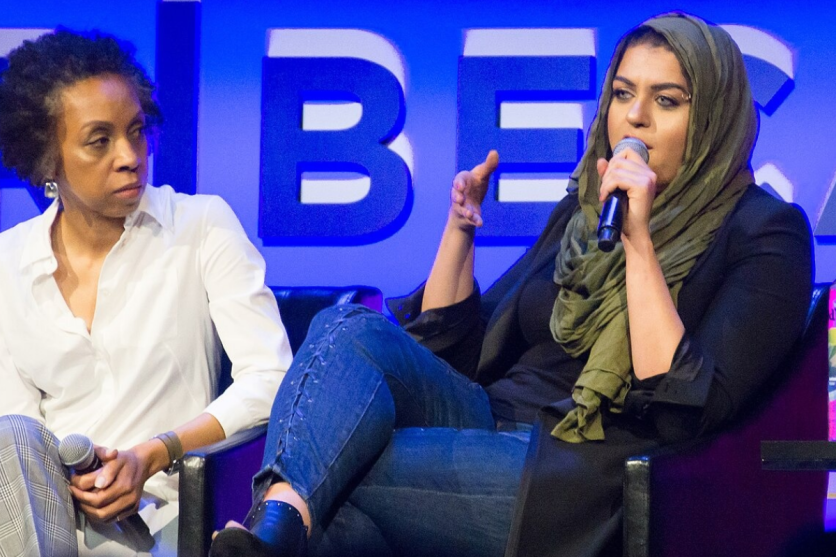
Al-Khatahtbeh’s legal action highlights the emerging conflicts surrounding artificial intelligence and personal rights. The image was originally posted on X and used by Grok, which is known for generating altered images. Her complaint underscores the emotional impact of having her cultural and religious identity misrepresented.
Controversial Legislation: The NO FAKES Act
In parallel, the proposed NO FAKES Act could impose vague standards on AI tools, potentially holding them liable for generating likenesses. Critics argue this could endanger open-source developers and stifle free expression. Senator Ted Cruz has recently blocked the bill, voicing concerns about it infringing on legitimate political speech.
xAI's Previous Legal Troubles
This lawsuit is not xAI's first encounter with legal challenges. Earlier, a Turkish court ordered Grok to be blocked due to content deemed insulting to Turkish leaders. Al-Khatahtbeh’s case further emphasizes the delicate balance between technology and personal rights, raising questions about accountability in AI-generated content.
Legislative and Legal Implications for AI Technology
The outcome of Al-Khatahtbeh's lawsuit could set significant precedents for AI liability and content rights. As debates over the NO FAKES Act continue, the implications for developers and personal rights remain critical. For more details, visit www.alexjoneslive.com at https://www.alexjoneslive.com/2026/11/20/muslim-sues-xai-after-grok-removed-her-head-bag/
Article sources
Image credits
- Image via techtimes.co.uk